Learning at your child's level, even when that's ahead of school

Short lessons in maths, reading, writing and science, for Years 3 to 10. No points or badges to chase, so nothing pulls them away from the learning.

Try one science lesson now. You don't need an account.

Maths

Year 7

A bike costs $110 including 10% GST. What was the price before GST?

Tax invoice

Bike, before GST?

Total, including GST$110.00

$

Questions from the app. One real child in Year 3 at school has worked on questions at all three of these levels.

Inside a lesson

Short clips from the app, one for each subject: what your child does, and what the app says back.

Patterns and algebra

Maths, Year 4

Maths

Years 3 to 10

  • Practice on what they're learning now
  • Moves up when they're ready, even past their school year
  • After a wrong answer, the app says why, then they try again

Start free

Watch the idea happen

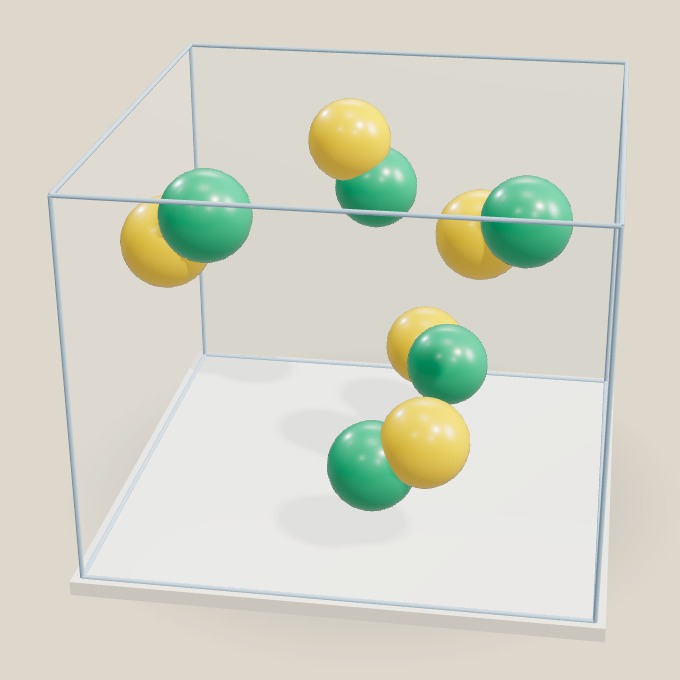
Over 200 maths and science lessons have a short video, with a voice explaining as the picture moves.

Maths, Year 4. The voice says:

Take 3 off one side, and it tips. Take 3 off the other side too.

Science, Year 5. The voice says:

Count them again: still 16. None got bigger, and none went missing.

One topic, from first try to your report

  1. The first try

    A wrong answer comes with a reason

    Not just "wrong". Your child sees why, often with a picture of what they answered, then tries again.

    What is 2/3 of 24?

    8 Not yet. That's 1/3 of 24. You need 2 of those parts.
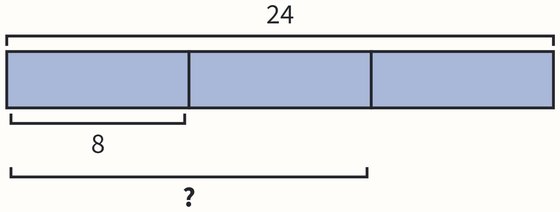
    The bar of 24 in three parts: a bracket for 8 under one part, and the question mark's bracket under two parts

    Maths, Year 4. From the app.

  2. When they're ready

    It moves up, even past their school year

    Each topic moves on its own, so your child can be ahead in one topic and at school level in another.

    One real Year 3 child, after three weeks

    Place value and factors
    Year 8
    Money
    Year 8
    Adding and subtracting
    Year 6
    Multiplying and dividing
    Year 6
    Fractions and decimals
    Year 6
    Number patterns
    Year 4
    Patterns and algebra
    Year 3
    Year 3Year 4Year 5Year 6Year 7Year 8Year 9Year 10

    This shows the year level each maths topic is being practised at now. Every topic started at Year 3, their school year, and moved up as they passed checks. Topics not started yet aren't shown.

  3. Later on

    Old topics come back, so they aren't forgotten

    Once your child does a topic well, it's checked again after 3 days, then less and less often.

    1. Done well in practice
    2. Checked again after 3 days
    3. Then after 1 week
    4. Then after 3 weeks
    5. Then every 2 months
    6. If your child gets it wrong twice in a row, the topic goes back into practice.
  4. Every week

    You read it in two minutes

    A short report in plain words: what they did, anything they need your help with, and one thing to do together.

    Alex's week, 29 October to 4 November

    Maths

    Alex practised maths on three days this week, one more than the week before. Nothing came up that you'd need to step in on.

    Reading and writing

    Alex read two Year 7 texts, "Fifteen Balls" and "The Tree Lobster". Alex got all 20 questions right the first time.

    If you have five minutes: Next time Alex tells you about a book or show, ask "Which part shows that?" and let Alex look for it. Finding the exact part that backs up a point is the step the written answers need help with right now.

    A real week from the app, with the name changed.

What is 2/3 of 24?

8 Not yet. That's 1/3 of 24. You need 2 of those parts.

The bar of 24 in three parts: a bracket for 8 under one part, and the question mark's bracket under two parts

Maths, Year 4. From the app.

Many Year 12 mistakes start years earlier

Each year, the people who mark Year 12 exams publish reports on where students lost marks. We read a set of them alongside the school curriculum and the research on how children learn. Many of the mistakes aren't about hard Year 12 ideas. They are habits from years before. So the lessons work on each habit in the year it starts, and keep checking it as your child moves up.

  • MathsMarkers see students answer a different question from the one asked. From Year 7, a word problem with several steps can start with “What is the question asking for?”
  • Reading and writingThe markers' top complaint is retelling the text instead of explaining it. Every written answer is checked for this, from short answers up to essays.
  • ScienceMarkers see answers that only repeat what happened instead of giving a reason. From Year 3, science questions ask for the best reason, and one choice only repeats what happened.

Science

Year 3

Chocolates left on the seat of a hot car soon turn runny. Which is the best reason?

From the app, Year 3.

Puzzle papers like the AMC and ICAS

For children who want more: practice papers in the style of the Australian Maths Competition and ICAS. The puzzles get harder as the paper goes on, and the worked solutions come at the end.

Written for Korvi. Not connected with the AMC or ICAS.

Puzzle paper

Question 4 of 10

I am a two-digit number. My digits add to 11. My tens digit is 3 more than my ones digit. What number am I?

From the app. On a real paper the solutions come at the end.

Years 3 to 10, matched to school

Year 3Year 4Year 5Year 6Year 7Year 8Year 9Year 10
Maths

Years 3 to 10. Follows the Australian and Victorian curriculum, every topic.

Reading and writing

Years 3 to 10. Stories and factual texts chosen for your child's level, then written answers and essays.

Science

Years 3 to 10. Chemistry, following the Australian and Victorian curriculum.

See every maths topic, year by year
Y3Y4Y5Y6Y7Y8Y9Y10
Place Value
Addition and Subtraction
Multiplication and Division
Fractions and Decimals
Money and Financial Matters
Numbers, Patterns and Sequences
Real numbers
Patterns and Algebra
Location
Shape
Transformation
Data collection
Data Display
Data Interpretation
Probability
Units of Measurement
Time
Geometric Reasoning
Pythagoras and Trigonometry

Start free. Upgrade when you want more.

Free

A$0
No card needed
  • 3 maths practices a week
  • The first lesson of every maths topic, in every year
  • 2 reading texts in total, at your child's level
  • 2 science scenes in total
  • The same weekly report paid families get
Start free

Korvi runs in the browser on a phone, iPad or computer. Your child can use yours: you hand it over for each practice, so they don't need a device of their own.

Your family's data

No ads. Your family's data is never sold, and never shared for marketing.

AI help is off until you turn it on, and your child's name is never sent to the AI.

Download everything, or delete everything, from your dashboard at any time.

Read the privacy page

See it with your child

Play a science scene together. It takes a few minutes, and you don't need an account.

Try a lesson with your child

Start free. No card needed.